Construction, materials and tips: the technical decisions behind a shoelace and how to choose the right one for each type of footwear.
To the consumer, all shoelaces look alike. For a footwear manufacturer, getting the construction, material or tip wrong translates into returns, broken eyelets and unhappy customers. This is the short guide we use with our own clients.
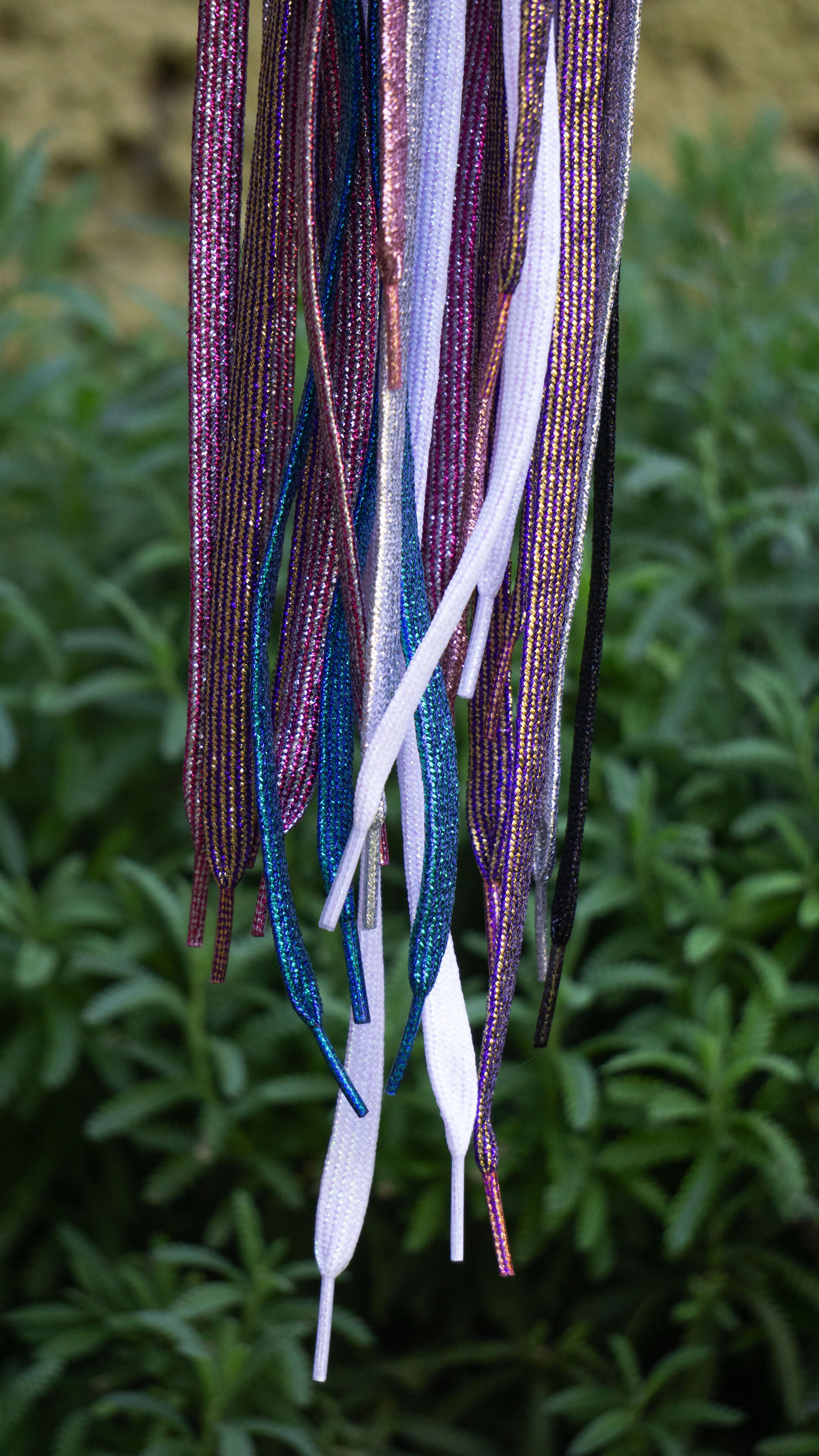
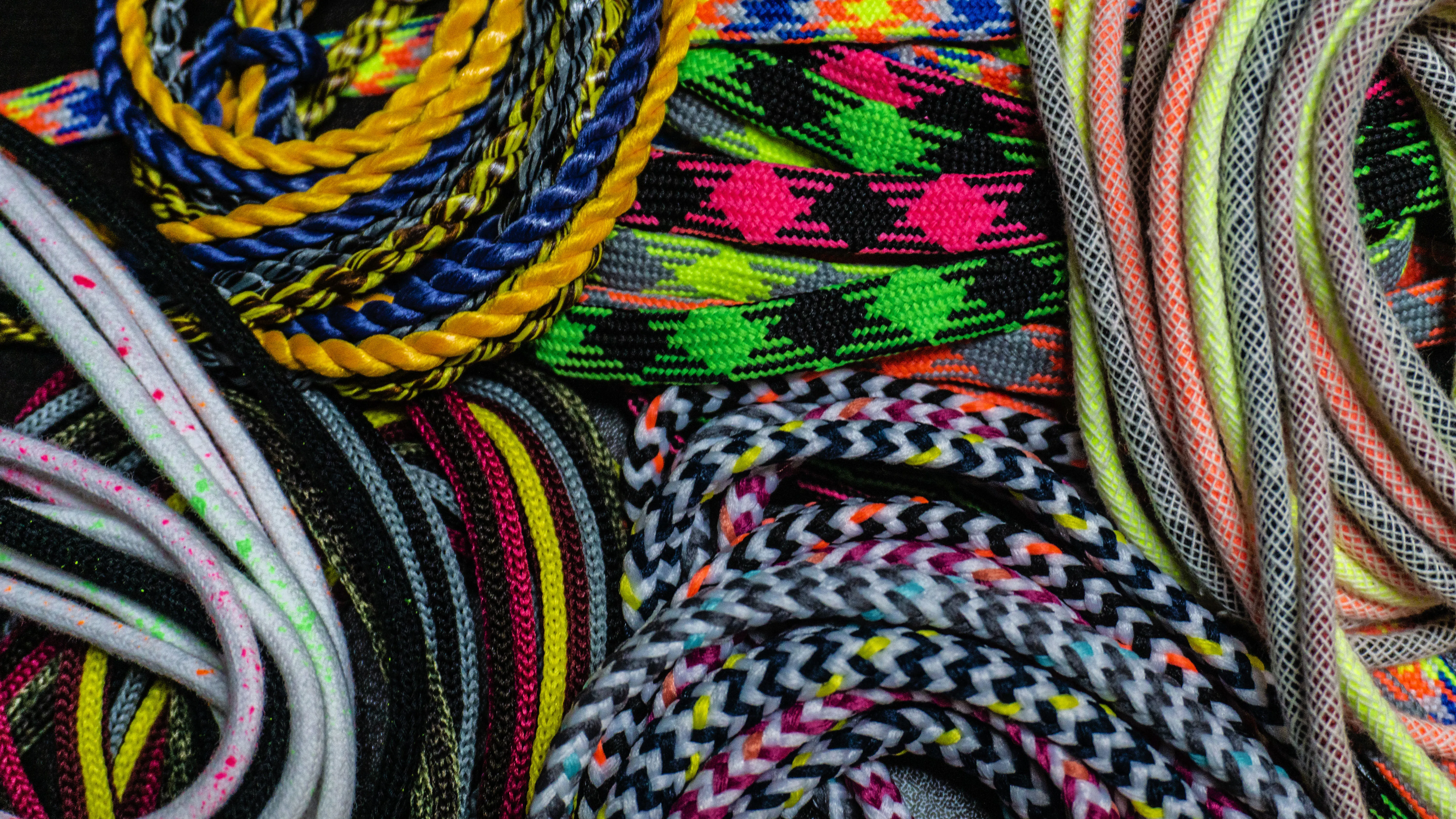
The flat lace is the standard for casual and athletic footwear. Woven on needle looms like a tape, its wide surface distributes pressure over the instep and knots firmly. It comes in several widths, and length is chosen by eyelet pairs: from 60 cm for 3 pairs up to 160 cm or more for boots.
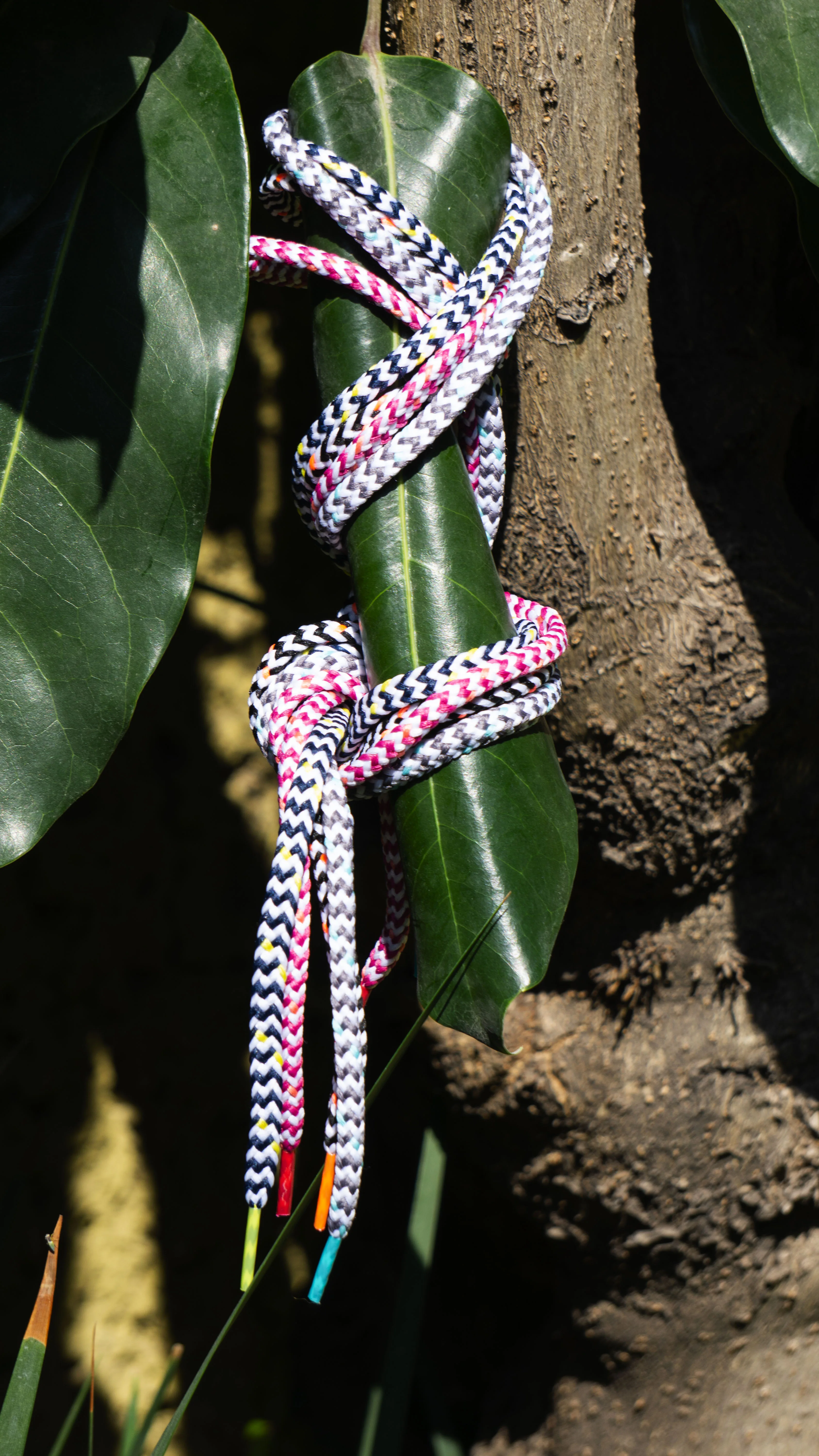
The tubular lace is a hollow circular knit with a rounded body and soft hand. It is the favorite of fashion sneakers and children's footwear: good visual volume, comfortable knotting. Being hollow, it can carry an inner core when higher stretch resistance is needed.
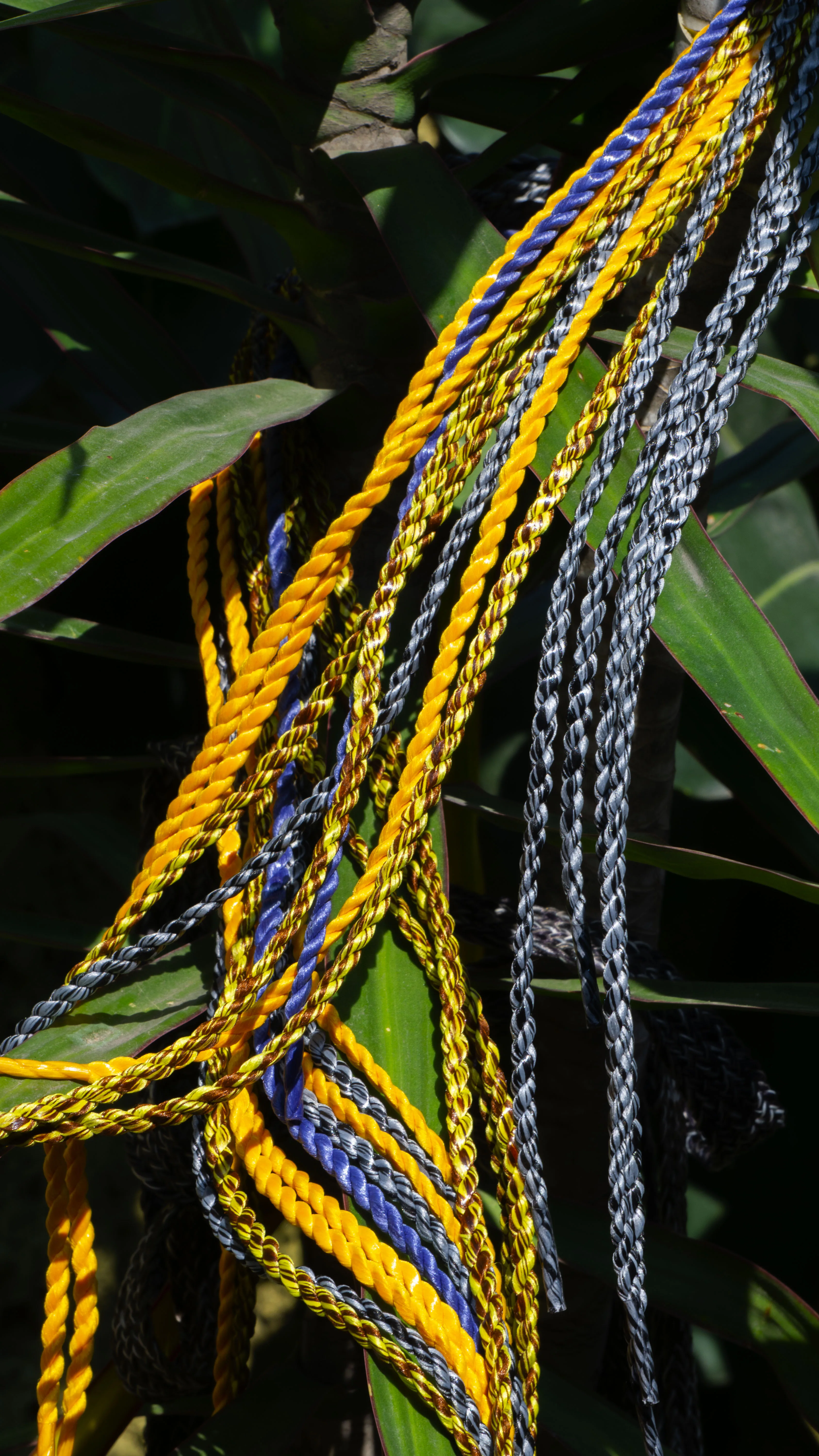
The round (cord) lace is a solid braid, usually with a core. It is the most abrasion-resistant and the natural choice for work boots, safety footwear and hiking. Properly specified, it withstands metal eyelets and hooks without fraying.
On materials: polyester dominates for strength, color fastness and price; cotton gives a matte, natural finish for dress lines; nylon adds elasticity and resistance; polypropylene is the light, economical option. For premium finishes there are blends and textures: heathers, metallics, reflectives.
The tip deserves its own decision. Acetate (plastic) is the universal standard. Metallic tips raise perceived value in dress lines and premium sneakers — offered in finishes like nickel, gold, black nickel and matte black. Heat-cut tips seal the textile with heat, no added piece, and are common in cords and industrial applications.
One last factory tip: define the full specification — construction, material, width or diameter, length, color and tip — and have your supplier always produce against that sheet. It is the only way the pair you buy today is identical to the replenishment six months from now. At Andina we manufacture all three constructions, in 120+ base colors, with all three tip types, from our plant in León, Guanajuato.